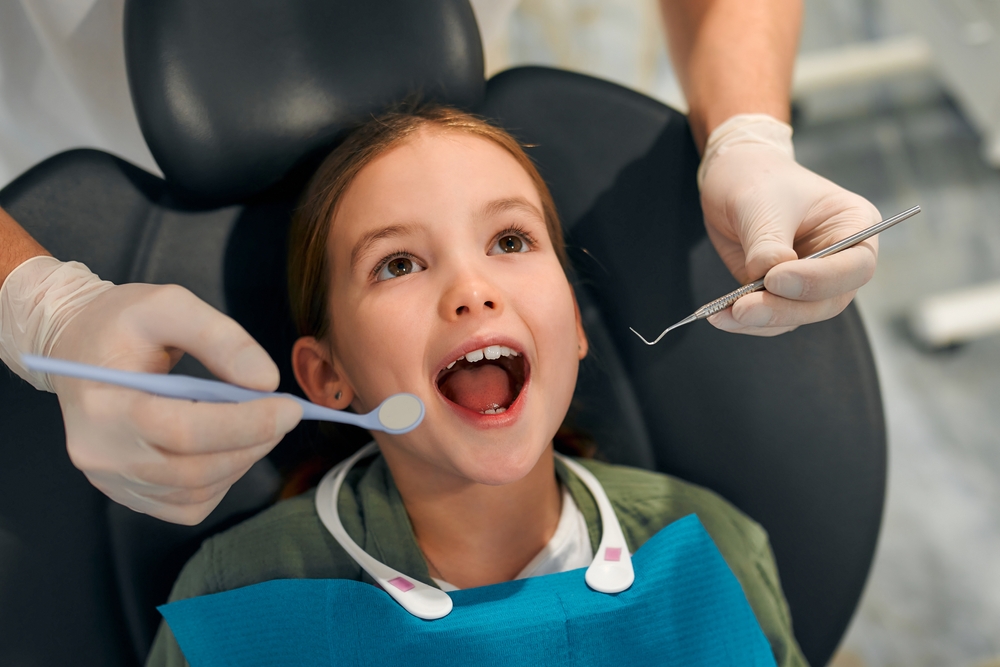
Little Smiles, Big Milestones: A Parent’s Guide to Stress-Free Pediatric Dentistry

Caring for young teeth is an essential part of helping children grow into healthy adults. At Church Street Family Dentistry, our skilled team focuses on gentle care, patient education, and meeting the unique dental needs of growing children from infancy through their teenage years to lay the foundation for a lifetime of healthy smiles. Establishing a positive relationship with dental care early on can significantly reduce the risk of future dental anxiety and complex treatments. 

Gentle, Skilled Dental Care for Growing Smiles

While a specialized pedodontist exclusively limits their practice to children, family dentistry teams like ours are highly trained and experienced in accommodating the physical and psychological needs of children, and adolescents. Our team’s hands-on experience allows us to manage your child’s oral health in a way that is both effective and comforting.

Our office environment is designed to be welcoming and approachable for young patients. From child-friendly equipment to clear, reassuring communication, every detail is geared toward making visits positive so children feel safe and cooperative during their appointments.

Practical Insights for Developing Teeth 

A child’s dental care extends beyond just cleaning teeth. Our team at Church Street Family Dentistry possesses a strong understanding of how teeth and jaws develop, allowing us to identify and address potential alignment issues or developmental concerns early. We also provide gentle guidance on non-nutritive habits and their impact on oral development. provide gentle guidance on non-nutritive habits and their impact on oral development.

Parents seeking pediatric dentistry in Mount Laurel often value this developmental insight, as catching alignment or spacing issues during early growth phases can simplify future orthodontic needs or help us coordinate timely referrals if specialized care is ever required.

Your Child’s First Dental Visit: The Age One Milestone

The American Academy of Pediatric Dentistry recommends a child’s first dental visit occur by their first birthday or within six months of their first tooth erupting. This initial appointment is often called a “lap visit,” where the parent holds the child securely while the dentist performs a gentle examination.

This first meeting is as much about education for the parent as it is about examination for the child. We review proper cleaning techniques for baby teeth, discuss dietary habits that prevent decay, and answer any questions about teething or pacifier use. This visit establishes a comfortable dental home and sets a precedent for routine, stress-free care.

Core Dental Services for Kids 

Our office provides a full spectrum of family care customized to the needs of developing mouths. These services focus on preventing problems before they start and gently treating any issues that arise:

  • Preventive Care: Professional cleanings, topical fluoride applications to strengthen enamel, and dental sealants. Sealants are thin, protective coatings painted onto the chewing surfaces of back teeth to prevent cavities from forming in deep grooves.
  • Diagnostic Evaluations: Regular examinations monitor jaw growth and tooth development. Low-radiation digital X-rays are used when necessary to see below the gums and identify issues not visible during a standard exam.
  • Habit Counseling: We provide strategies to help children stop potentially harmful habits like prolonged thumb sucking or bottle use, which can affect tooth alignment and jaw development.
  • Restorative Treatments: When decay occurs, tooth-colored fillings and pediatric dental crowns restore the tooth’s function and appearance comfortably.

Gentle Techniques for Managing Dental Anxiety

A core component of quality family care is helping children feel safe, in control, and comfortable throughout their visit. At Church Street Family Dentistry, we use proven, child-friendly behavioral strategies to build trust and eliminate fear:

  • Tell-Show-Do Method: Our team explains what will happen using non-frightening words, shows the child the equipment on a finger or toy, and then performs the procedure.
  • Positive Reinforcement: Praising good behavior, sitting still, or helping hold a suction tube builds confidence for future visits.
  • Kid-Friendly Terminology: Clinical terms are replaced with playful descriptions—for instance, calling an X-ray camera a “tooth camera” or sealant material “tooth paint.”
  • Comfort Options: When restorative work is necessary, gentle relaxation options like nitrous oxide (laughing gas) help anxious patients stay relaxed while remaining fully awake and responsive.

Quick Reference Guide for Common Pediatric Dental Emergencies

Accidents happen on the playground, during sports, or during active play at home. Knowing how to react in the first few minutes can save a child’s natural tooth:

  • Knocked-Out Permanent Tooth: Hold the tooth by the crown (top), not the root. Gently rinse it with milk or water if dirty, attempt to reinsert it into the socket, or store it in a cup of cold milk while heading directly to the dentist.
  • Chipped or Cracked Tooth: Rinse the child’s mouth with warm water to clean the area and apply a cold compress to the outside of the cheek to reduce swelling.
  • Severe Toothache: Rinse with warm saltwater and check for trapped food between teeth using dental floss. Never place aspirin or pain relievers directly against the gums.
  • Bitten Lip or Tongue: Clean the area gently with a cloth and apply pressure with a cold compress. If bleeding does not stop after 15 minutes, seek immediate emergency care.

Families looking for pediatric dentistry in Cherry Hill requently look for offices that offer prompt emergency support, as fast intervention is critical for managing sports injuries and unexpected toothaches. 

Home Care Habits by Age Group

Establishing healthy daily routines at home reinforces the care provided at the dental office:

  • Infants (0–12 Months): Gently wipe gums with a soft, damp cloth after feedings. Switch to a soft, baby-sized toothbrush with a smear of fluoride toothpaste (size of a grain of rice) as soon as the first tooth appears.
  • Toddlers (Ages 1–3): Brush twice daily using a rice-grain-sized amount of fluoride toothpaste. Help your child brush, as toddlers lack the dexterity to clean thoroughly on their own.
  • Young Children (Ages 3–6): Increase toothpaste amount to a pea-sized dab. Supervise brushing for a full two minutes and begin flossing between any teeth that touch.
  • School-Age Children (Ages 7+): Transition toward independent brushing while periodically inspecting their work. Encourage water over sugary drinks, and introduce mouthguards for organized sports.Schedule Your Child’s Dental Visit Today

Schedule Your Child’s Dental Visit Today 

Proactive care is the key to a healthy smile that lasts a lifetime. Contact Church Street Family Dentistry today to schedule your child’s first visit or routine check-up and give them the gift of a positive, stress-free dental experience!

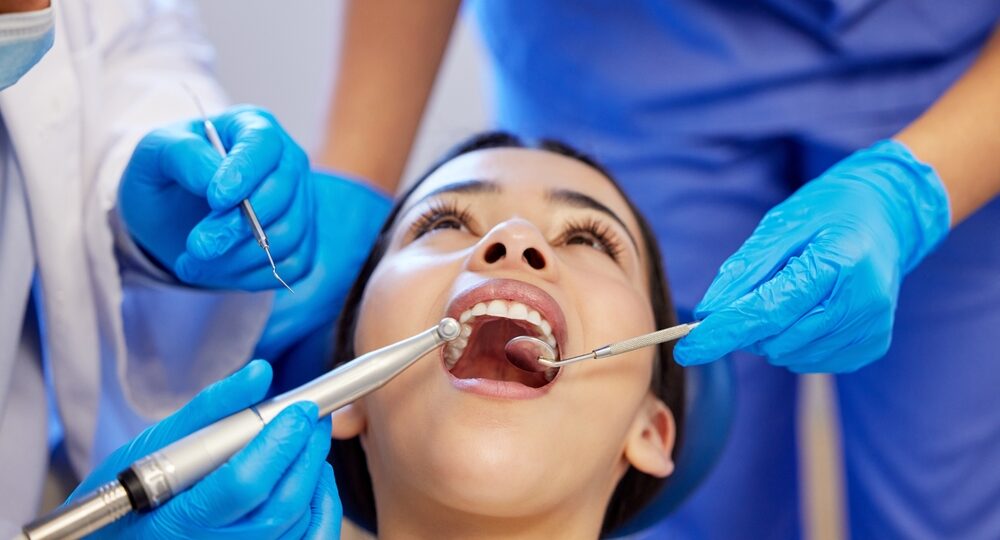
More Than Just a Polish: 4 Surprising Health Benefits of Your 6-Month Dental Cleaning

For many busy families and professionals, a routine dental appointment can feel like just another item on a packed schedule. While achieving a polished, brighter smile is a pleasant outcome, the most significant benefits of a professional hygiene visit extend far beyond aesthetics. At Church Street Family Dentistry, these regular appointments serve as a cornerstone of preventive care, playing a critical role in protecting your body’s overall wellness in ways you might not expect. 

The Connection Between Your Mouth and Overall Health

The concept of the oral-systemic link, which connects oral health to total body health, is supported by extensive medical research. Your mouth is a primary gateway to the rest of your body and is home to millions of bacteria. While many are harmless, certain harmful strains can multiply in the sticky plaque and hardened tartar that build up on teeth. Without professional removal, this can lead to gum inflammation, known as gingivitis, and its more severe form, periodontitis.

This chronic inflammation and the associated bacteria can enter your bloodstream, traveling throughout your body and contributing to a range of serious health conditions. A routine dental cleaning is one of the most effective methods for disrupting this process, removing bacterial colonies and reducing inflammation before they can impact your systemic health. At Church Street Family Dentistry, we focus on this proactive approach to care for all our patients.

1. Protecting Your Cardiovascular Health

One of the most researched connections is between periodontal disease and heart health. The bacteria that cause gum inflammation can enter the circulation and attach to fatty plaques in the heart’s blood vessels. This can contribute to the arterial inflammation that leads to atherosclerosis, or hardening of the arteries.

This process increases the risk for blood clots, which can trigger heart attacks and strokes. According to the American Heart Association, while the link is not fully causal, there is a clear association between gum disease and cardiovascular disease. By physically removing the tartar and plaque buildup below the gumline, a professional dental cleaning every six months helps mitigate this risk, keeping harmful oral bacteria under control and reducing systemic inflammation.

2. Supporting Respiratory and Lung Function

Your oral health also has a direct impact on your respiratory system. The same bacteria thriving in your mouth can be aspirated, or breathed into your lungs, where they can cause significant problems. This can lead to infections such as pneumonia, which is a particular concern for older adults or individuals with compromised immune systems.

For those managing chronic conditions like Chronic Obstructive Pulmonary Disease (COPD), poor oral hygiene can exacerbate symptoms and lead to more frequent flare-ups. A thorough dental cleaning reduces the overall bacterial load in your mouth, which in turn lowers the quantity of harmful microbes that can be inhaled. Maintaining this level of oral hygiene is a simple yet effective step in supporting your long-term lung health.

3. Assisting in Diabetes Management and Early Detection

The relationship between diabetes and periodontal disease is a well-established two-way street. Individuals with diabetes are more susceptible to infections, including gum disease. Conversely, severe periodontal disease can make it more difficult for the body to control blood sugar levels, as the systemic inflammation can contribute to insulin resistance.

A regular dental cleaning in Mount Laurel is a key component of a complete diabetes management plan. Furthermore, a dentist may be the first healthcare provider to notice the warning signs of undiagnosed diabetes. Symptoms like chronically inflamed gums, frequent infections, or dry mouth can prompt a recommendation to see a physician, making your dental team at Church Street Family Dentistry a key partner in your overall health monitoring.

4. Lowering the Risk of Cognitive Decline

Emerging scientific evidence suggests a startling connection between gum disease and cognitive health, including the risk of developing dementia. Research, including a large-scale study supported by the National Institute on Aging, has found an association between the bacteria that cause periodontitis and Alzheimer’s disease. The leading theory is that chronic inflammation originating in the gums can spread to the brain over time, potentially contributing to the damage associated with cognitive decline.

While more research is needed, this connection highlights another profound reason to prioritize oral health. Proactively managing gum health through regular professional cleanings may be a valuable strategy for protecting your brain health as you age. It reframes dental cleaning from a simple procedure to a long-term investment in your cognitive well-being.

Your Partner in Proactive Health

At Church Street Family Dentistry, we understand that life l can be busy. That is why we are committed to providing care that goes beyond treating problems as they arise. We believe in building a foundation of proactive health for you and your family through consistent, high-quality preventative care. As your trusted family dentist in Mount Laurel, our goal is to help you understand these connections so you can make informed decisions for your long-term wellness.

Frequently Asked Questions

How often should I get a dental cleaning?

For most adults and children, a professional dental cleaning is recommended every six months. Some patients with periodontal disease or other risk factors may be advised to come in more frequently, such as every three to four months.

Does a professional dental cleaning hurt?

A routine dental cleaning is typically a painless procedure. You may feel some minor pressure or scraping sensations, but there should be no significant discomfort. If you have sensitive gums or anxiety, please let our team know so we can guarantee you are comfortable throughout the visit.

What happens if I skip my dental cleanings?

Skipping cleanings allows plaque to harden into tartar, which can only be removed by a professional. This buildup leads to an increased risk of cavities, bad breath, gum disease (gingivitis and periodontitis), and the potential systemic health issues discussed in this article.

How long does a routine dental cleaning take?

A standard dental cleaning and check-up appointment at Church Street Family Dentistry usually takes between 30 and 60 minutes. This allows our hygienists enough time to be thorough and for the dentist to perform a complete examination.

Schedule Your Complete Dental Cleaning Today

Investing an hour every six months in a professional dental cleaning is one of the most effective steps you can take for your whole-body health. If you are ready to prioritize your well-being, our team at Church Street Family Dentistry is here to provide exceptional, personalized care for your entire family. Contact us today to book your next appointment.