
Are Dental Implants More Cost-Effective Than Dentures Long-Term?

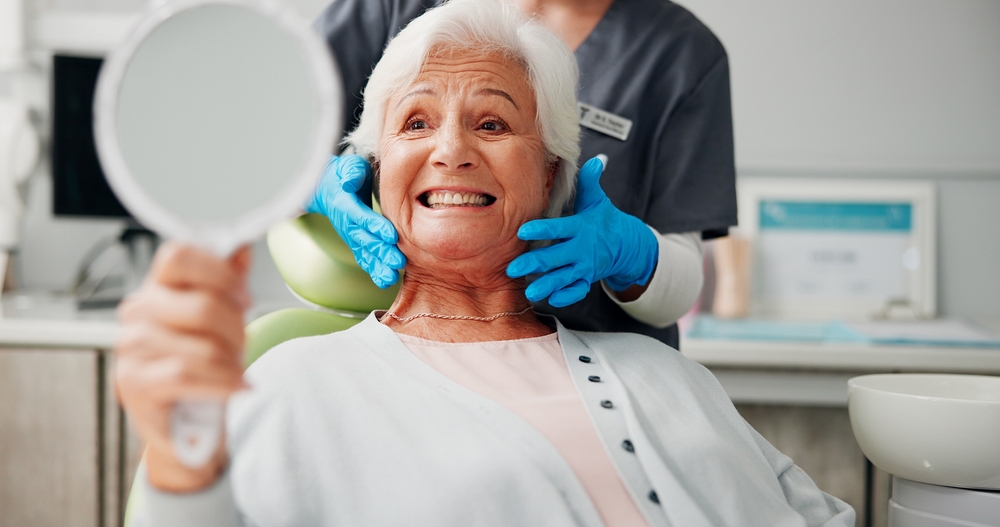
When you are missing one or more teeth, deciding how to restore your smile is one of the most important health decisions you will make. Beyond the obvious aesthetic changes, tooth loss affects how you chew, how you speak, and how your jawbone maintains its strength over time.
When exploring restoration options, price is naturally one of the biggest considerations. At first glance, standard removable dentures appear to be the clear winner if you are looking to minimize immediate expenses. Dental implants carry a higher initial price tag, leading many patients to assume they are out of reach or financially impractical.
However, looking strictly at the upfront price tag doesn’t tell the full story. At Church Street Family Dentistry, we frequently help patients weigh the upfront investment against the 10-, 20-, and 30-year costs of tooth replacement. When you calculate ongoing maintenance, periodic replacements, and the long-term impact on your jaw health, dental implants often turn out to be the more cost-effective choice over a lifetime.
Here is a detailed breakdown of how the true costs of dentures and dental implants compare over time.
The Upfront Investment: A Side-by-Side Look
To understand the financial picture, it helps to start with what you pay on day one.
- Traditional Dentures: Dentures replace missing teeth using a custom-molded acrylic arch that sits directly on your gums. Because they do not require surgery, the initial process is straightforward and relatively fast. A full arch of dentures typically costs anywhere from $1,000 to $3,000 per arch, depending on the materials used.
- Dental Implants: An implant is a biocompatible titanium post inserted directly into the jawbone, acting as an artificial root. A single implant topped with a custom crown generally ranges from $3,000 to $5,000. If you are replacing a full arch using implant-supported bridges or fixed restoration methods (like All-on-4), the starting investment is higher, often ranging from $15,000 to $30,000 per arch.
Looking solely at these initial numbers, traditional dentures seem far more affordable. But tooth replacement isn’t a one-and-done purchase, it is an ongoing investment in your quality of life.
The Hidden Long-Term Costs of Traditional Dentures
While traditional dentures keep initial expenses low, they come with recurring costs that build up year after year.
1. Frequent Relining and Resurfacing
Your jawbone relies on the roots of your natural teeth to stimulate bone density. When teeth are missing, the jawbone beneath the gums begins to shrink, a process known as bone resorption. As your jawbone changes shape over time, your dentures lose their snug fit. To fix slipping and soreness, you will need professional relining every 1 to 2 years, which adds hundreds of dollars to the total bill over time.
2. Complete Replacements Every 5 to 7 Years
Because acrylic wears down and the jaw shape continuously shifts, traditional dentures rarely last a decade. Most dentists recommend replacing them every 5 to 7 years. If you receive dentures at age 50, you could easily go through four or five complete sets in your lifetime.
3. Everyday Supplies and Maintenance Products
Unlike natural teeth, removable appliances require specialized care. The cost of denture adhesives, soaking solutions, specialized cleaning brushes, and protective cases may seem minor each month, but over 15 to 20 years, these supplies can add up to thousands of dollars out of pocket.
If you are considering options for dentures in Mount Laurel, keeping these recurring maintenance and replacement fees in mind will give you a much clearer picture of your 20-year budget.
Why Dental Implants Offer Superior Long-Term Value
Dental implants require a larger commitment upfront, but they are engineered to function like your natural teeth for decades, and in many cases, for the rest of your life.
1. Preserving Your Jawbone
Because titanium posts integrate directly into your bone through a process called osseointegration, implants act just like natural tooth roots. They exert pressure when you chew, stimulating the bone and preventing the jaw loss that normally occurs with missing teeth. By preserving your natural facial structure, implants eliminate the dramatic physical changes, and the constant refitting visits, associated with long-term denture wear.
2. Built to Last 25+ Years
Dental implants boast a long-term success rate above 95%. While the custom crown or bridge attached to the top of an implant may experience normal wear over 15 to 20 years, the underlying post itself is designed to last a lifetime. You avoid the cycle of re-purchasing new dental prosthetics every few years.
3. Simple, Everyday Oral Care
Caring for implants is virtually identical to caring for natural teeth. You brush twice daily, floss around the restoration, and keep up with your regular dental checkups. Adding a professional dental cleaning in Mount Laurel every six months keeps the surrounding gum tissue healthy and protects your investment, with no need for mess-creating pastes or expensive soaking solutions.
Our clinical team at Church Street Family Dentistry often reminds patients that dental implants aren’t just an expense, they are a long-term asset for your health.
20-Year Financial Comparison: Dentures vs. Implants
To make this comparison concrete, let’s look at how costs accumulate over two decades for a single-arch replacement:
| Cost Factor | Traditional Dentures (20-Year Horizon) | Dental Implants (20-Year Horizon) |
| Initial Placement | $1,500 – $3,000 | $15,000 – $25,000 |
| Replacements (3–4 sets) | $4,500 – $9,000 | $0 (Implant post lasts a lifetime) |
| Relines & Adjustments | $1,500 – $3,000 | $0 |
| Adhesives & Care Supplies | $1,200 – $2,500 | $0 (Standard toothpaste & floss) |
| Crown / Arch Wear Repair | Minor repairs ($500) | Occasional crown adjustment ($1,000 – $2,000) |
| Estimated 20-Year Total | $9,200 – $17,500+ | $16,000 – $27,000 |
While dentures still carry a slightly lower baseline cost, the financial gap shrinks dramatically over time. And when you factor in the personal comfort, stability, and freedom that implants provide, the value proposition shifts heavily toward implants.
Beyond Dollars: The Quality of Life ROI
When choosing between options, cost is only one piece of the puzzle. The day-to-day lifestyle difference between removable dentures and fixed implants is substantial:
- Biting and Chewing Power: Traditional dentures restore about 20% to 30% of your original chewing force, forcing many people to cut back on tough meats, raw vegetables, and crunchy foods. Implants restore up to 90% or more of natural biting power, allowing you to enjoy your favorite meals without worry.
- Speech and Confidence: Loose dentures can slip while speaking or laughing, creating uncomfortable social moments. Implants are locked solidly into place, so you never have to worry about shifting or slurred speech.
- Convenience: Implants stay in your mouth 24/7. There is no removing them at night, no soaking on the nightstand, and no fussing with pastes.
When you visit Church Street Family Dentistry, we focus on finding a solution that fits both your immediate financial realities and your long-term health goals.
Making the Right Decision for Your Smile
Is a dental implant setup always the right choice? Not necessarily for every single patient. If you have significant bone loss, certain underlying health conditions, or strict short-term budget limits, traditional or implant-retained dentures may be the most suitable path forward.
However, if you are looking for a solution that halts bone loss, eliminates recurring replacement cycles, and functions just like natural teeth, implants offer unmatched value over time.
If you want to explore your tooth replacement options, contact Church Street Family Dentistry today to schedule a consultation. We will help you compare your choices, review flexible payment options, and create a care plan designed to keep your smile healthy and functional for years to come.