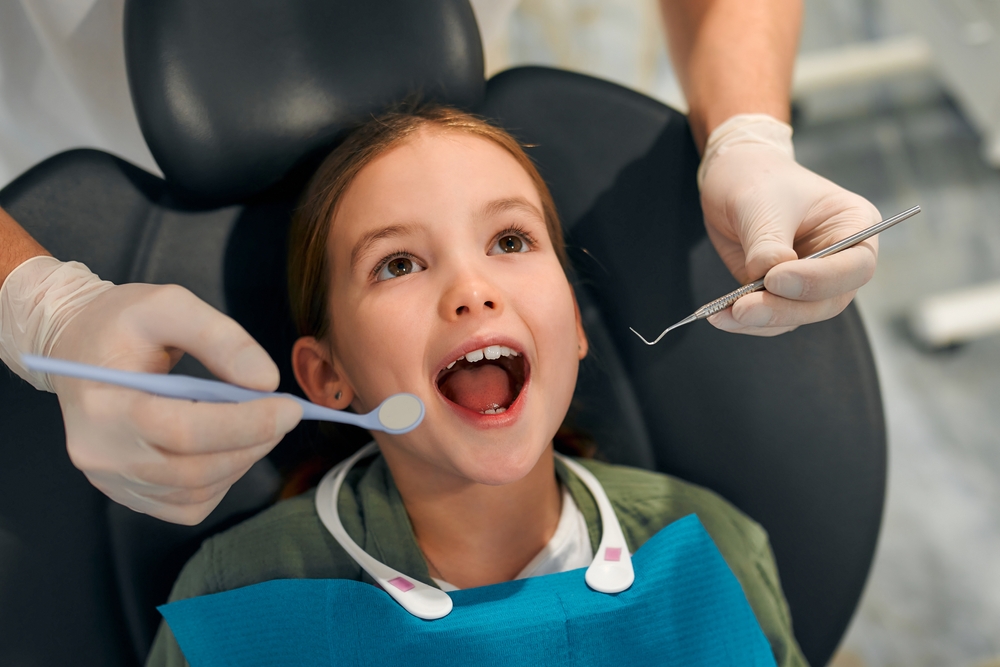
Little Smiles, Big Milestones: A Parent’s Guide to Stress-Free Pediatric Dentistry

Caring for young teeth is an essential part of helping children grow into healthy adults. At Church Street Family Dentistry, our skilled team focuses on gentle care, patient education, and meeting the unique dental needs of growing children from infancy through their teenage years to lay the foundation for a lifetime of healthy smiles. Establishing a positive relationship with dental care early on can significantly reduce the risk of future dental anxiety and complex treatments. 

Gentle, Skilled Dental Care for Growing Smiles

While a specialized pedodontist exclusively limits their practice to children, family dentistry teams like ours are highly trained and experienced in accommodating the physical and psychological needs of children, and adolescents. Our team’s hands-on experience allows us to manage your child’s oral health in a way that is both effective and comforting.

Our office environment is designed to be welcoming and approachable for young patients. From child-friendly equipment to clear, reassuring communication, every detail is geared toward making visits positive so children feel safe and cooperative during their appointments.

Practical Insights for Developing Teeth 

A child’s dental care extends beyond just cleaning teeth. Our team at Church Street Family Dentistry possesses a strong understanding of how teeth and jaws develop, allowing us to identify and address potential alignment issues or developmental concerns early. We also provide gentle guidance on non-nutritive habits and their impact on oral development. provide gentle guidance on non-nutritive habits and their impact on oral development.

Parents seeking pediatric dentistry in Mount Laurel often value this developmental insight, as catching alignment or spacing issues during early growth phases can simplify future orthodontic needs or help us coordinate timely referrals if specialized care is ever required.

Your Child’s First Dental Visit: The Age One Milestone

The American Academy of Pediatric Dentistry recommends a child’s first dental visit occur by their first birthday or within six months of their first tooth erupting. This initial appointment is often called a “lap visit,” where the parent holds the child securely while the dentist performs a gentle examination.

This first meeting is as much about education for the parent as it is about examination for the child. We review proper cleaning techniques for baby teeth, discuss dietary habits that prevent decay, and answer any questions about teething or pacifier use. This visit establishes a comfortable dental home and sets a precedent for routine, stress-free care.

Core Dental Services for Kids 

Our office provides a full spectrum of family care customized to the needs of developing mouths. These services focus on preventing problems before they start and gently treating any issues that arise:

  • Preventive Care: Professional cleanings, topical fluoride applications to strengthen enamel, and dental sealants. Sealants are thin, protective coatings painted onto the chewing surfaces of back teeth to prevent cavities from forming in deep grooves.
  • Diagnostic Evaluations: Regular examinations monitor jaw growth and tooth development. Low-radiation digital X-rays are used when necessary to see below the gums and identify issues not visible during a standard exam.
  • Habit Counseling: We provide strategies to help children stop potentially harmful habits like prolonged thumb sucking or bottle use, which can affect tooth alignment and jaw development.
  • Restorative Treatments: When decay occurs, tooth-colored fillings and pediatric dental crowns restore the tooth’s function and appearance comfortably.

Gentle Techniques for Managing Dental Anxiety

A core component of quality family care is helping children feel safe, in control, and comfortable throughout their visit. At Church Street Family Dentistry, we use proven, child-friendly behavioral strategies to build trust and eliminate fear:

  • Tell-Show-Do Method: Our team explains what will happen using non-frightening words, shows the child the equipment on a finger or toy, and then performs the procedure.
  • Positive Reinforcement: Praising good behavior, sitting still, or helping hold a suction tube builds confidence for future visits.
  • Kid-Friendly Terminology: Clinical terms are replaced with playful descriptions—for instance, calling an X-ray camera a “tooth camera” or sealant material “tooth paint.”
  • Comfort Options: When restorative work is necessary, gentle relaxation options like nitrous oxide (laughing gas) help anxious patients stay relaxed while remaining fully awake and responsive.

Quick Reference Guide for Common Pediatric Dental Emergencies

Accidents happen on the playground, during sports, or during active play at home. Knowing how to react in the first few minutes can save a child’s natural tooth:

  • Knocked-Out Permanent Tooth: Hold the tooth by the crown (top), not the root. Gently rinse it with milk or water if dirty, attempt to reinsert it into the socket, or store it in a cup of cold milk while heading directly to the dentist.
  • Chipped or Cracked Tooth: Rinse the child’s mouth with warm water to clean the area and apply a cold compress to the outside of the cheek to reduce swelling.
  • Severe Toothache: Rinse with warm saltwater and check for trapped food between teeth using dental floss. Never place aspirin or pain relievers directly against the gums.
  • Bitten Lip or Tongue: Clean the area gently with a cloth and apply pressure with a cold compress. If bleeding does not stop after 15 minutes, seek immediate emergency care.

Families looking for pediatric dentistry in Cherry Hill requently look for offices that offer prompt emergency support, as fast intervention is critical for managing sports injuries and unexpected toothaches. 

Home Care Habits by Age Group

Establishing healthy daily routines at home reinforces the care provided at the dental office:

  • Infants (0–12 Months): Gently wipe gums with a soft, damp cloth after feedings. Switch to a soft, baby-sized toothbrush with a smear of fluoride toothpaste (size of a grain of rice) as soon as the first tooth appears.
  • Toddlers (Ages 1–3): Brush twice daily using a rice-grain-sized amount of fluoride toothpaste. Help your child brush, as toddlers lack the dexterity to clean thoroughly on their own.
  • Young Children (Ages 3–6): Increase toothpaste amount to a pea-sized dab. Supervise brushing for a full two minutes and begin flossing between any teeth that touch.
  • School-Age Children (Ages 7+): Transition toward independent brushing while periodically inspecting their work. Encourage water over sugary drinks, and introduce mouthguards for organized sports.Schedule Your Child’s Dental Visit Today

Schedule Your Child’s Dental Visit Today 

Proactive care is the key to a healthy smile that lasts a lifetime. Contact Church Street Family Dentistry today to schedule your child’s first visit or routine check-up and give them the gift of a positive, stress-free dental experience!
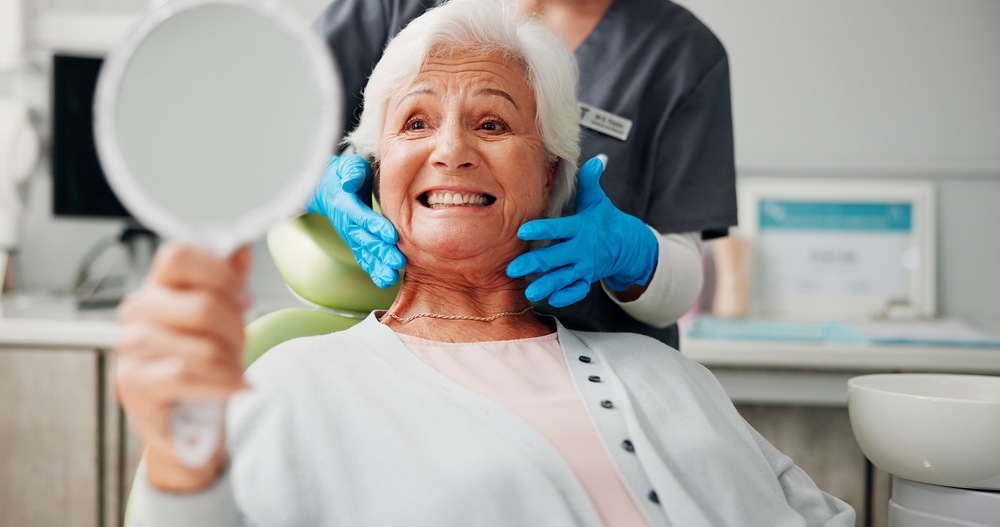
Are Dental Implants More Cost-Effective Than Dentures Long-Term?

When you are missing one or more teeth, deciding how to restore your smile is one of the most important health decisions you will make. Beyond the obvious aesthetic changes, tooth loss affects how you chew, how you speak, and how your jawbone maintains its strength over time.

When exploring restoration options, price is naturally one of the biggest considerations. At first glance, standard removable dentures appear to be the clear winner if you are looking to minimize immediate expenses. Dental implants carry a higher initial price tag, leading many patients to assume they are out of reach or financially impractical.

However, looking strictly at the upfront price tag doesn’t tell the full story. At Church Street Family Dentistry, we frequently help patients weigh the upfront investment against the 10-, 20-, and 30-year costs of tooth replacement. When you calculate ongoing maintenance, periodic replacements, and the long-term impact on your jaw health, dental implants often turn out to be the more cost-effective choice over a lifetime.

Here is a detailed breakdown of how the true costs of dentures and dental implants compare over time.

The Upfront Investment: A Side-by-Side Look

To understand the financial picture, it helps to start with what you pay on day one.

  • Traditional Dentures: Dentures replace missing teeth using a custom-molded acrylic arch that sits directly on your gums. Because they do not require surgery, the initial process is straightforward and relatively fast. A full arch of dentures typically costs anywhere from $1,000 to $3,000 per arch, depending on the materials used.
  • Dental Implants: An implant is a biocompatible titanium post inserted directly into the jawbone, acting as an artificial root. A single implant topped with a custom crown generally ranges from $3,000 to $5,000. If you are replacing a full arch using implant-supported bridges or fixed restoration methods (like All-on-4), the starting investment is higher, often ranging from $15,000 to $30,000 per arch.

Looking solely at these initial numbers, traditional dentures seem far more affordable. But tooth replacement isn’t a one-and-done purchase, it is an ongoing investment in your quality of life.

The Hidden Long-Term Costs of Traditional Dentures

While traditional dentures keep initial expenses low, they come with recurring costs that build up year after year.

1. Frequent Relining and Resurfacing

Your jawbone relies on the roots of your natural teeth to stimulate bone density. When teeth are missing, the jawbone beneath the gums begins to shrink, a process known as bone resorption. As your jawbone changes shape over time, your dentures lose their snug fit. To fix slipping and soreness, you will need professional relining every 1 to 2 years, which adds hundreds of dollars to the total bill over time.

2. Complete Replacements Every 5 to 7 Years

Because acrylic wears down and the jaw shape continuously shifts, traditional dentures rarely last a decade. Most dentists recommend replacing them every 5 to 7 years. If you receive dentures at age 50, you could easily go through four or five complete sets in your lifetime.

3. Everyday Supplies and Maintenance Products

Unlike natural teeth, removable appliances require specialized care. The cost of denture adhesives, soaking solutions, specialized cleaning brushes, and protective cases may seem minor each month, but over 15 to 20 years, these supplies can add up to thousands of dollars out of pocket.

If you are considering options for dentures in Mount Laurel, keeping these recurring maintenance and replacement fees in mind will give you a much clearer picture of your 20-year budget.

Why Dental Implants Offer Superior Long-Term Value

Dental implants in Mount Laurel require a larger commitment upfront, but they are engineered to function like your natural teeth for decades, and in many cases, for the rest of your life.

1. Preserving Your Jawbone

Because titanium posts integrate directly into your bone through a process called osseointegration, implants act just like natural tooth roots. They exert pressure when you chew, stimulating the bone and preventing the jaw loss that normally occurs with missing teeth. By preserving your natural facial structure, implants eliminate the dramatic physical changes, and the constant refitting visits, associated with long-term denture wear.

2. Built to Last 25+ Years

Dental implants boast a long-term success rate above 95%. While the custom crown or bridge attached to the top of an implant may experience normal wear over 15 to 20 years, the underlying post itself is designed to last a lifetime. You avoid the cycle of re-purchasing new dental prosthetics every few years.

3. Simple, Everyday Oral Care

Caring for implants is virtually identical to caring for natural teeth. You brush twice daily, floss around the restoration, and keep up with your regular dental checkups. Adding a professional dental cleaning in Mount Laurel every six months keeps the surrounding gum tissue healthy and protects your investment, with no need for mess-creating pastes or expensive soaking solutions.

Our clinical team at Church Street Family Dentistry often reminds patients that dental implants aren’t just an expense, they are a long-term asset for your health.

20-Year Financial Comparison: Dentures vs. Implants

To make this comparison concrete, let’s look at how costs accumulate over two decades for a single-arch replacement:

Cost FactorTraditional Dentures (20-Year Horizon)Dental Implants (20-Year Horizon)
Initial Placement$1,500 – $3,000$15,000 – $25,000
Replacements (3–4 sets)$4,500 – $9,000$0 (Implant post lasts a lifetime)
Relines & Adjustments$1,500 – $3,000$0
Adhesives & Care Supplies$1,200 – $2,500$0 (Standard toothpaste & floss)
Crown / Arch Wear RepairMinor repairs ($500)Occasional crown adjustment ($1,000 – $2,000)
Estimated 20-Year Total$9,200 – $17,500+$16,000 – $27,000

While dentures still carry a slightly lower baseline cost, the financial gap shrinks dramatically over time. And when you factor in the personal comfort, stability, and freedom that implants provide, the value proposition shifts heavily toward implants.

Beyond Dollars: The Quality of Life ROI

When choosing between options, cost is only one piece of the puzzle. The day-to-day lifestyle difference between removable dentures and fixed implants is substantial:

  • Biting and Chewing Power: Traditional dentures restore about 20% to 30% of your original chewing force, forcing many people to cut back on tough meats, raw vegetables, and crunchy foods. Implants restore up to 90% or more of natural biting power, allowing you to enjoy your favorite meals without worry.
  • Speech and Confidence: Loose dentures can slip while speaking or laughing, creating uncomfortable social moments. Implants are locked solidly into place, so you never have to worry about shifting or slurred speech.
  • Convenience: Implants stay in your mouth 24/7. There is no removing them at night, no soaking on the nightstand, and no fussing with pastes.

When you visit Church Street Family Dentistry, we focus on finding a solution that fits both your immediate financial realities and your long-term health goals.

Making the Right Decision for Your Smile

Is a dental implant setup always the right choice? Not necessarily for every single patient. If you have significant bone loss, certain underlying health conditions, or strict short-term budget limits, traditional or implant-retained dentures may be the most suitable path forward.

However, if you are looking for a solution that halts bone loss, eliminates recurring replacement cycles, and functions just like natural teeth, implants offer unmatched value over time.

If you want to explore your tooth replacement options, contact Church Street Family Dentistry today to schedule a consultation. We will help you compare your choices, review flexible payment options, and create a care plan designed to keep your smile healthy and functional for years to come.